The Importance of Regular Health Checkups
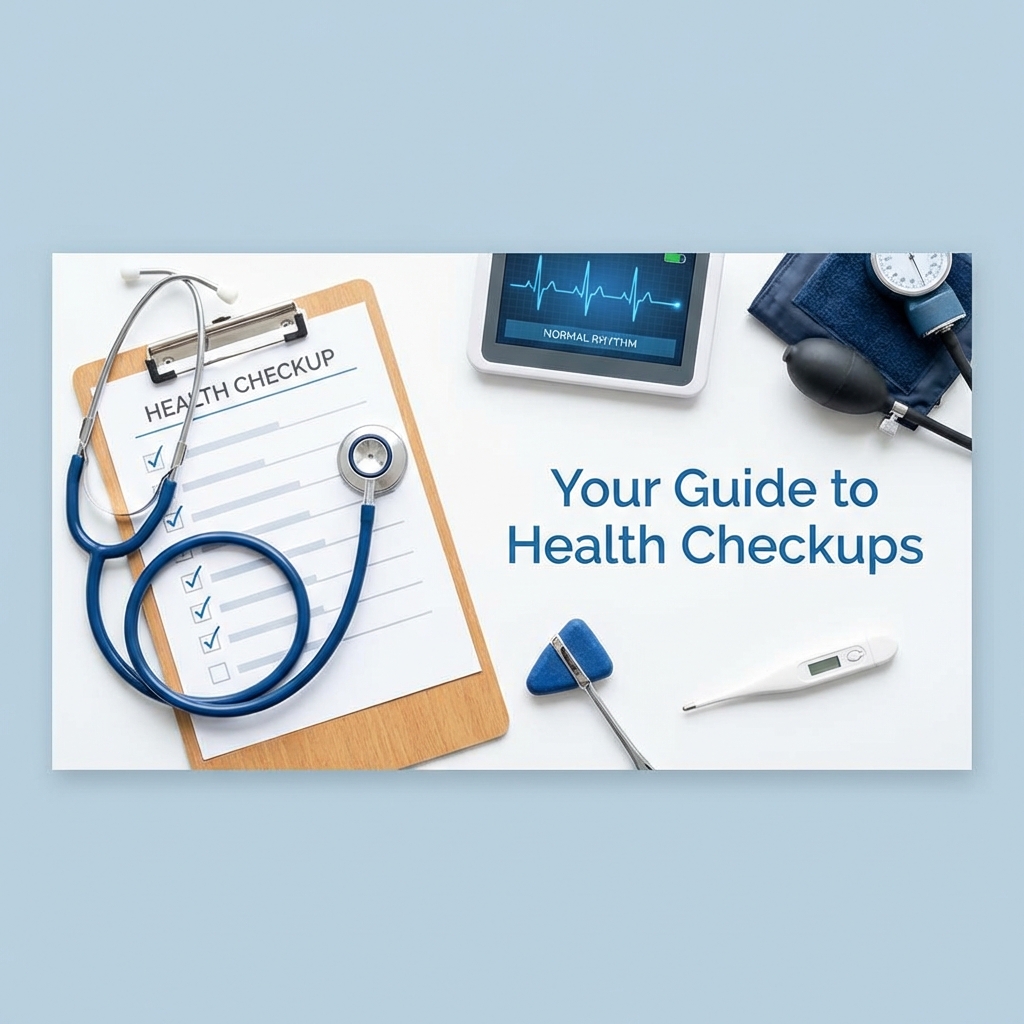
Regular health checkups are one of the most important steps you can take to maintain good health and prevent serious medical conditions. Many diseases can be detected early through routine screenings, when they're most treatable.
Why Are Regular Checkups Important?
Preventive healthcare saves lives and reduces healthcare costs. Here's why regular checkups matter:
- Early Detection: Many serious conditions show no symptoms in early stages
- Prevention: Identify risk factors before they become problems
- Establish Baseline: Track changes in your health over time
- Update Vaccinations: Stay protected against preventable diseases
- Build Relationship: Develop trust with your healthcare provider
Recommended Checkup Frequency
The frequency of checkups depends on your age, health status, and risk factors:
Ages 18-39
Annual checkup for healthy individuals. More frequent visits if you have chronic conditions or risk factors.
Ages 40-64
Annual checkups with additional screenings for diabetes, cholesterol, and blood pressure.
Ages 65+
Annual checkups with comprehensive screenings for age-related conditions.
What to Expect During a Checkup
A typical health checkup includes:
- Medical History Review: Discussion of symptoms, medications, and lifestyle
- Physical Examination: Checking vital signs, heart, lungs, and overall health
- Laboratory Tests: Blood tests, urine tests, and other screenings as needed
- Health Counseling: Advice on nutrition, exercise, and lifestyle improvements
- Preventive Care: Vaccinations and disease screening recommendations
Common Screenings by Age
For Everyone
- Blood pressure screening
- Cholesterol testing
- Diabetes screening
- BMI and weight assessment
Additional Screenings
- Women: Mammograms, cervical cancer screening, bone density tests
- Men: Prostate cancer screening, testosterone levels
- Both: Colorectal cancer screening (age 45+), eye exams, dental checkups
Preparing for Your Checkup
Make the most of your appointment by:
- Bringing a list of current medications
- Writing down questions or concerns
- Noting any new symptoms
- Fasting if blood work is scheduled (check with your doctor)
- Bringing your medical records if seeing a new doctor
Don't Skip Your Checkups
Life gets busy, but your health should always be a priority. Regular checkups can:
- Catch diseases like cancer, diabetes, and heart disease early
- Help you live longer and healthier
- Reduce healthcare costs in the long run
- Give you peace of mind
Conclusion
Prevention is always better than cure. Regular health checkups are an investment in your future health and well-being. Schedule your checkup today and take the first step toward a healthier tomorrow.